Home > Oncopro

Sep 26, 2017
Precision Oncongenomics- Emerging Role And Latest Trends
It’s normal to feel anxiety, worry and grief any time you’re diagnosed with a condition that’s certainly true if you
Know More about Precision Oncongenomics- Emerging Role And Latest Trends
Apr 14, 2016
Chromosome Interphase Profiling, Products Of Conception-A novel and disruptive technology
It’s normal to feel anxiety, worry and grief any time you’re diagnosed with a condition that’s certainly true if you
Know More about Chromosome Interphase Profiling, Products Of Conception-A novel and disruptive technology
Sep 26, 2017
Oncopro Comprehensive Oncology Diagnostics
It’s normal to feel anxiety, worry and grief any time you’re diagnosed with a condition that’s certainly true if you
Know More about Oncopro Comprehensive Oncology Diagnostics
Jul 6, 2020
Oncopro Focus Fusion Panel for Solid Tumors
It’s normal to feel anxiety, worry and grief any time you’re diagnosed with a condition that’s certainly true if you
Know More about Oncopro Focus Fusion Panel for Solid Tumors

Sep 26, 2017
Precision Oncongenomics- Emerging Role And Latest Trends
It’s normal to feel anxiety, worry and grief any time you’re diagnosed with a condition that’s certainly true if you
Know More about Precision Oncongenomics- Emerging Role And Latest Trends
Apr 14, 2016
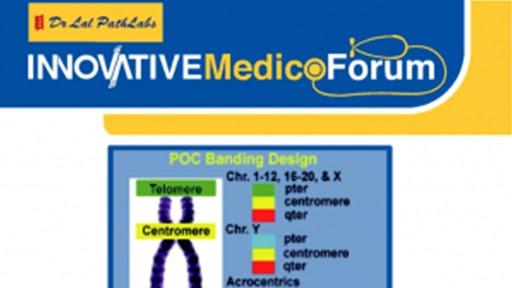
Chromosome Interphase Profiling, Products Of Conception-A novel and disruptive technology
It’s normal to feel anxiety, worry and grief any time you’re diagnosed with a condition that’s certainly true if you
Know More about Chromosome Interphase Profiling, Products Of Conception-A novel and disruptive technology
Sep 26, 2017
Oncopro Comprehensive Oncology Diagnostics
It’s normal to feel anxiety, worry and grief any time you’re diagnosed with a condition that’s certainly true if you
Know More about Oncopro Comprehensive Oncology Diagnostics
Jul 6, 2020
Oncopro Focus Fusion Panel for Solid Tumors
It’s normal to feel anxiety, worry and grief any time you’re diagnosed with a condition that’s certainly true if you
Know More about Oncopro Focus Fusion Panel for Solid Tumors
Sep 26, 2017
Precision Oncongenomics- Emerging Role And Latest Trends
It’s normal to feel anxiety, worry and grief any time you’re diagnosed with a condition that’s certainly true if you
Know More about Precision Oncongenomics- Emerging Role And Latest Trends
Apr 14, 2016
Chromosome Interphase Profiling, Products Of Conception-A novel and disruptive technology
It’s normal to feel anxiety, worry and grief any time you’re diagnosed with a condition that’s certainly true if you
Know More about Chromosome Interphase Profiling, Products Of Conception-A novel and disruptive technology
Sep 26, 2017
Oncopro Comprehensive Oncology Diagnostics
It’s normal to feel anxiety, worry and grief any time you’re diagnosed with a condition that’s certainly true if you
Know More about Oncopro Comprehensive Oncology Diagnostics
Jul 6, 2020
Oncopro Focus Fusion Panel for Solid Tumors
It’s normal to feel anxiety, worry and grief any time you’re diagnosed with a condition that’s certainly true if you
Know More about Oncopro Focus Fusion Panel for Solid TumorsResearch Papers
BACKGROUND: Karyotype determination has a central role in the genetic workup of pregnancy loss, as aneuploidy (trisomy and monosomy) and polyploidy (triploidy and tetraploidy) are the cause in at least 50% of first trimester, 25% of second trimester, and 11% of third trimester miscarriages. There are several limitations with the current approaches of obtaining a karyotype using traditional cytogenetics, fluorescence in situ hybridization with a limited number of probes, and chromosomal microarray. These include culture failure, incomplete results, lower sensitivity, and longer reporting time.
Penile Corpora Cavernosa have a complex histology and blood supply that may mirror systemic illnesses and provide an insight into the pathogenesis and pathology of various systemic disorders leading to Organic Erectile Dysfunction. The present study aims to investigate the extent and nature of pathologic changes in penile corpora cavernosa in patients with erectile dysfunction due to systemic illness
BACKGROUND:Fine needle aspiration cytology (FNAC) is a reliable and reproducible diagnostic technique for thyroid lesions with certain limitations. Computed morphometric methods have been introduced with a view to improve the diagnostic yield of thyroid aspirates. However, a review of the existing literature revealed conflicting reports regarding morphometric parameters in thyroid neoplasms.MATERIALS AND METHODS:This study included 50 cases of thyroid lesions (20 cases of colloid goitre, 15 of follicular adenoma, 5 of follicular carcinoma and 10 papillary carcinomas). Digital images of cytologic smears of these cases were captured using a dedicated photomicrography system and nuclear profiles traced manually. With self-designed image analysis software, nuclear morphometric measurements, including texture analysis, were performed. Discriminant analysis was performed including the morphometric parameters and percentage of correctly classified nuclei noted.RESULTS:Nuclear morphometry parameters showed that papillary thyroid carcinoma had the highest perimeter, area, radius and elongation factor compared to other thyroid lesions. Discriminant analysis revealed that altogether 77.9% of cells could be correctly classified to their lesion category based on the nuclear morphometric and textural parameters. Of the neoplastic cases, 84.5% of cells of follicular neoplasms and 72.5% of papillary carcinoma were classified to the respective category.CONCLUSION:Nuclear morphometry, including texture analysis, can assist in the cytologic diagnosis of thyroid lesions, considering the high degree of accuracy of classification. Further studies and methodological refinements can achieve higher accuracy.
OBJECTIVE:(1) The objective is to study the immunohistochemical expression of Breast cancer type 1 (BRCA1) in breast carcinoma on trucut biopsy specimens and (2) To relate its expression with that of estrogen receptors (ER), progesterone receptors (PR), and human epidermal growth factor receptor 2 (HER-2)/neu and the clinicopathological parameters.SETTINGS AND DESIGN:A cross-sectional hospital-based study was performed in Lady Hardinge Medical College and Shrimati Sucheta Kriplani Hospital, New Delhi, with collaboration of the Departments of Pathology and Surgery from the period of November 2008 to March 2010.MATERIALS AND METHODS:The study group included 54 cytologically proven cases of breast carcinoma. The immunohistochemical expression of BRCA1 was studied and related with expression of ER, PR, and HER-2/neu on their trucut biopsies.RESULTS:The altered expression of BRCA1 (i.e., reduced or absent expression) was seen in 44.4% cases of breast carcinoma while 55.6% had positive expression. About 83% of breast carcinomas with altered BRCA1 expression were larger than 3 cm in size. The breast carcinomas showing altered expression were found to be mostly high grade (63.6%). This was statistically significant. The ER and PR negativity were seen in 62.5% and 79.2% breast carcinomas with altered BRCA1 expression, respectively. The score 3 positivity of HER-2/neu was more common among carcinomas with altered BRCA1 expression (21% vs. 16.7%). The triple negativity was found in 41.7% breast carcinomas having altered BRCA1 expression. This was statistically significant.CONCLUSION:The combination of immunohistochemical expression of BRCA1, ER, PR, and HER-2/neu and clinicopathological details may be helpful in predicting the individuals more likely to carry BRCA1 mutations and thus selecting the candidate and family members for genetic screening for BRCA1 mutations.
Background: Since 2014 Luminex crossmatch (LXM) is being performed regularly in India for post-transplant management of renal allograft recipients. Aim This study was planned to evaluate the possible role of the LXM in the post-transplant setting for the detection and characterization of HLA-specific IgG antibodies and to correlate with allograft biopsy and renalfunction. Methods: A retrospective study was performed on 169 consecutive LXM performed at a single center to investigate suspected allograft dysfunction (n=147) and for monitoring DSA in normally functioning allografts (n=22). A total of 116 biopsies (including 11 repeats) and 40 panel reactive antibody (PRA) screen tests were performed. Results: Donor specific antibodies (DSA) were detected in 81 samples (47.9%): 7 recipients had HLA class I DSA alone, 56 had only HLA class II DSA and 18 recipients had both. First time biopsies were categorized as: negative for rejection (n=30), antibody mediated rejection (n=32), acute cellular rejection (n=23), chronic rejection (n=15) and dual morphology (n=5). LXM was positive in 44/75 biopsies with rejection and transiently raised in 11/30 recipients who showed no evidence of rejection. On the basis of the LXM results biopsywas not performed in 42 recipients who showed improved renal function 15 recipients with non-specific findings on first biopsy. Conclusion: The study suggests that LXM is useful and economically viable algorithm for the detection of antibodies in the post-transplant work up of renal allograft recipients in developing nations.
Luminex antibody detection, especially Luminex crossmatch is used frequently in India for pre transplant work up for patients with end stage renal disease. This test is often performed in lieu of single antigen bead assay in India due to its lower cost. We report on our experience with College of American Pathologist external proficiency test samples (CAP EQAS) for Luminex based antibody detection assays.Methods: Twelve surveys from College of American Pathologists (MX-1 A, B, C) each comprising of either four plasma samples for HLA class I, two samples for HLA class II (MX- 2 A, B and C) and two sets of whole blood containing non enriched lymphocytes were processed as per schedule from January 2014 till December 2015 for detection of HLA class I or/and HLA class II IgG antibodies.Results: All six surveys were fully concordant for antibody screening which is a pooled bead assay: greater than ninety percent samples of phenotype test were accurately assigned, but six samples (16.67%) of Luminex T cell crossmatch were discordant of which five samples were incorrectly assigned negative possibly due to matrix interference.Conclusion: CAP EQAS was adequate for external quality control of Luminex antibody assays except for Luminex crossmatch test. This could be due to matrix interference and such discordant results need to be correlated by inter-lab comparison until CAP is able to provide suitable samples.
The incidence of double aneuploidy in the same individual is relatively uncommon. In addition dual aneuploidies involving both autosomal and sex chromosomes have rarely been reported to be associated with developmental defects such as congenital heart defects (CHD). Most reported cases of double aneuploidy are presented in the form of recurrent miscarriages and abortions. A 20-weeks old male fetus with double aneuploidy associated with atrioventricular septal (AVSD)and other developmental defects has been analysed. This is the first child of healthy and non-consanguineous parents, which was aborted after 20 weeks of gestation. The estimated foetal weight was 232 gm (35th percentile). Using 4-D ultrasonography, the cavum septum pellucidum in the brain was not observed. Electroencephalogram showed mildly diffuse cortical dysfunction without abnormal epileptiform discharges. Lateral ventricles were also dilated. Only a thin rim of cerebral cortex was present. Choroid plexus and medial wall of ventricle separation was 7. 2 mm (normal < 3 mm). All the conditions were suggestive of agenesis of corpus callosum. Fetal echocardiographic findings indicated congenital heart disease with atrioventricular septal defects (AVSD). Chromosomal and Fluorescence in situ hybridization (FISH) techniques with LSI21 and DYZ3 alpha satellite and CEP X alpha satellite probes analysis showed a karyotype of 48,XXY,+21: a double aneuploidy of DS and Klinefelter syndrome (KS), very few such cases have been reported in the literature. A detailed genetic and clinical report of the present case and current knowledge on causes and consequences of double aneuploidy in humans will be presented
BACKGROUND: Karyotype determination has a central role in the genetic workup of pregnancy loss, as aneuploidy (trisomy and monosomy) and polyploidy (triploidy and tetraploidy) are the cause in at least 50% of first trimester, 25% of second trimester, and 11% of third trimester miscarriages. There are several limitations with the current approaches of obtaining a karyotype using traditional cytogenetics, fluorescence in situ hybridization with a limited number of probes, and chromosomal microarray. These include culture failure, incomplete results, lower sensitivity, and longer reporting time.
Penile Corpora Cavernosa have a complex histology and blood supply that may mirror systemic illnesses and provide an insight into the pathogenesis and pathology of various systemic disorders leading to Organic Erectile Dysfunction. The present study aims to investigate the extent and nature of pathologic changes in penile corpora cavernosa in patients with erectile dysfunction due to systemic illness
BACKGROUND:Fine needle aspiration cytology (FNAC) is a reliable and reproducible diagnostic technique for thyroid lesions with certain limitations. Computed morphometric methods have been introduced with a view to improve the diagnostic yield of thyroid aspirates. However, a review of the existing literature revealed conflicting reports regarding morphometric parameters in thyroid neoplasms.MATERIALS AND METHODS:This study included 50 cases of thyroid lesions (20 cases of colloid goitre, 15 of follicular adenoma, 5 of follicular carcinoma and 10 papillary carcinomas). Digital images of cytologic smears of these cases were captured using a dedicated photomicrography system and nuclear profiles traced manually. With self-designed image analysis software, nuclear morphometric measurements, including texture analysis, were performed. Discriminant analysis was performed including the morphometric parameters and percentage of correctly classified nuclei noted.RESULTS:Nuclear morphometry parameters showed that papillary thyroid carcinoma had the highest perimeter, area, radius and elongation factor compared to other thyroid lesions. Discriminant analysis revealed that altogether 77.9% of cells could be correctly classified to their lesion category based on the nuclear morphometric and textural parameters. Of the neoplastic cases, 84.5% of cells of follicular neoplasms and 72.5% of papillary carcinoma were classified to the respective category.CONCLUSION:Nuclear morphometry, including texture analysis, can assist in the cytologic diagnosis of thyroid lesions, considering the high degree of accuracy of classification. Further studies and methodological refinements can achieve higher accuracy.
OBJECTIVE:(1) The objective is to study the immunohistochemical expression of Breast cancer type 1 (BRCA1) in breast carcinoma on trucut biopsy specimens and (2) To relate its expression with that of estrogen receptors (ER), progesterone receptors (PR), and human epidermal growth factor receptor 2 (HER-2)/neu and the clinicopathological parameters.SETTINGS AND DESIGN:A cross-sectional hospital-based study was performed in Lady Hardinge Medical College and Shrimati Sucheta Kriplani Hospital, New Delhi, with collaboration of the Departments of Pathology and Surgery from the period of November 2008 to March 2010.MATERIALS AND METHODS:The study group included 54 cytologically proven cases of breast carcinoma. The immunohistochemical expression of BRCA1 was studied and related with expression of ER, PR, and HER-2/neu on their trucut biopsies.RESULTS:The altered expression of BRCA1 (i.e., reduced or absent expression) was seen in 44.4% cases of breast carcinoma while 55.6% had positive expression. About 83% of breast carcinomas with altered BRCA1 expression were larger than 3 cm in size. The breast carcinomas showing altered expression were found to be mostly high grade (63.6%). This was statistically significant. The ER and PR negativity were seen in 62.5% and 79.2% breast carcinomas with altered BRCA1 expression, respectively. The score 3 positivity of HER-2/neu was more common among carcinomas with altered BRCA1 expression (21% vs. 16.7%). The triple negativity was found in 41.7% breast carcinomas having altered BRCA1 expression. This was statistically significant.CONCLUSION:The combination of immunohistochemical expression of BRCA1, ER, PR, and HER-2/neu and clinicopathological details may be helpful in predicting the individuals more likely to carry BRCA1 mutations and thus selecting the candidate and family members for genetic screening for BRCA1 mutations.
Background: Since 2014 Luminex crossmatch (LXM) is being performed regularly in India for post-transplant management of renal allograft recipients. Aim This study was planned to evaluate the possible role of the LXM in the post-transplant setting for the detection and characterization of HLA-specific IgG antibodies and to correlate with allograft biopsy and renalfunction. Methods: A retrospective study was performed on 169 consecutive LXM performed at a single center to investigate suspected allograft dysfunction (n=147) and for monitoring DSA in normally functioning allografts (n=22). A total of 116 biopsies (including 11 repeats) and 40 panel reactive antibody (PRA) screen tests were performed. Results: Donor specific antibodies (DSA) were detected in 81 samples (47.9%): 7 recipients had HLA class I DSA alone, 56 had only HLA class II DSA and 18 recipients had both. First time biopsies were categorized as: negative for rejection (n=30), antibody mediated rejection (n=32), acute cellular rejection (n=23), chronic rejection (n=15) and dual morphology (n=5). LXM was positive in 44/75 biopsies with rejection and transiently raised in 11/30 recipients who showed no evidence of rejection. On the basis of the LXM results biopsywas not performed in 42 recipients who showed improved renal function 15 recipients with non-specific findings on first biopsy. Conclusion: The study suggests that LXM is useful and economically viable algorithm for the detection of antibodies in the post-transplant work up of renal allograft recipients in developing nations.
Luminex antibody detection, especially Luminex crossmatch is used frequently in India for pre transplant work up for patients with end stage renal disease. This test is often performed in lieu of single antigen bead assay in India due to its lower cost. We report on our experience with College of American Pathologist external proficiency test samples (CAP EQAS) for Luminex based antibody detection assays.Methods: Twelve surveys from College of American Pathologists (MX-1 A, B, C) each comprising of either four plasma samples for HLA class I, two samples for HLA class II (MX- 2 A, B and C) and two sets of whole blood containing non enriched lymphocytes were processed as per schedule from January 2014 till December 2015 for detection of HLA class I or/and HLA class II IgG antibodies.Results: All six surveys were fully concordant for antibody screening which is a pooled bead assay: greater than ninety percent samples of phenotype test were accurately assigned, but six samples (16.67%) of Luminex T cell crossmatch were discordant of which five samples were incorrectly assigned negative possibly due to matrix interference.Conclusion: CAP EQAS was adequate for external quality control of Luminex antibody assays except for Luminex crossmatch test. This could be due to matrix interference and such discordant results need to be correlated by inter-lab comparison until CAP is able to provide suitable samples.
The incidence of double aneuploidy in the same individual is relatively uncommon. In addition dual aneuploidies involving both autosomal and sex chromosomes have rarely been reported to be associated with developmental defects such as congenital heart defects (CHD). Most reported cases of double aneuploidy are presented in the form of recurrent miscarriages and abortions. A 20-weeks old male fetus with double aneuploidy associated with atrioventricular septal (AVSD)and other developmental defects has been analysed. This is the first child of healthy and non-consanguineous parents, which was aborted after 20 weeks of gestation. The estimated foetal weight was 232 gm (35th percentile). Using 4-D ultrasonography, the cavum septum pellucidum in the brain was not observed. Electroencephalogram showed mildly diffuse cortical dysfunction without abnormal epileptiform discharges. Lateral ventricles were also dilated. Only a thin rim of cerebral cortex was present. Choroid plexus and medial wall of ventricle separation was 7. 2 mm (normal < 3 mm). All the conditions were suggestive of agenesis of corpus callosum. Fetal echocardiographic findings indicated congenital heart disease with atrioventricular septal defects (AVSD). Chromosomal and Fluorescence in situ hybridization (FISH) techniques with LSI21 and DYZ3 alpha satellite and CEP X alpha satellite probes analysis showed a karyotype of 48,XXY,+21: a double aneuploidy of DS and Klinefelter syndrome (KS), very few such cases have been reported in the literature. A detailed genetic and clinical report of the present case and current knowledge on causes and consequences of double aneuploidy in humans will be presented
BACKGROUND: Karyotype determination has a central role in the genetic workup of pregnancy loss, as aneuploidy (trisomy and monosomy) and polyploidy (triploidy and tetraploidy) are the cause in at least 50% of first trimester, 25% of second trimester, and 11% of third trimester miscarriages. There are several limitations with the current approaches of obtaining a karyotype using traditional cytogenetics, fluorescence in situ hybridization with a limited number of probes, and chromosomal microarray. These include culture failure, incomplete results, lower sensitivity, and longer reporting time.
Penile Corpora Cavernosa have a complex histology and blood supply that may mirror systemic illnesses and provide an insight into the pathogenesis and pathology of various systemic disorders leading to Organic Erectile Dysfunction. The present study aims to investigate the extent and nature of pathologic changes in penile corpora cavernosa in patients with erectile dysfunction due to systemic illness
BACKGROUND:Fine needle aspiration cytology (FNAC) is a reliable and reproducible diagnostic technique for thyroid lesions with certain limitations. Computed morphometric methods have been introduced with a view to improve the diagnostic yield of thyroid aspirates. However, a review of the existing literature revealed conflicting reports regarding morphometric parameters in thyroid neoplasms.MATERIALS AND METHODS:This study included 50 cases of thyroid lesions (20 cases of colloid goitre, 15 of follicular adenoma, 5 of follicular carcinoma and 10 papillary carcinomas). Digital images of cytologic smears of these cases were captured using a dedicated photomicrography system and nuclear profiles traced manually. With self-designed image analysis software, nuclear morphometric measurements, including texture analysis, were performed. Discriminant analysis was performed including the morphometric parameters and percentage of correctly classified nuclei noted.RESULTS:Nuclear morphometry parameters showed that papillary thyroid carcinoma had the highest perimeter, area, radius and elongation factor compared to other thyroid lesions. Discriminant analysis revealed that altogether 77.9% of cells could be correctly classified to their lesion category based on the nuclear morphometric and textural parameters. Of the neoplastic cases, 84.5% of cells of follicular neoplasms and 72.5% of papillary carcinoma were classified to the respective category.CONCLUSION:Nuclear morphometry, including texture analysis, can assist in the cytologic diagnosis of thyroid lesions, considering the high degree of accuracy of classification. Further studies and methodological refinements can achieve higher accuracy.
OBJECTIVE:(1) The objective is to study the immunohistochemical expression of Breast cancer type 1 (BRCA1) in breast carcinoma on trucut biopsy specimens and (2) To relate its expression with that of estrogen receptors (ER), progesterone receptors (PR), and human epidermal growth factor receptor 2 (HER-2)/neu and the clinicopathological parameters.SETTINGS AND DESIGN:A cross-sectional hospital-based study was performed in Lady Hardinge Medical College and Shrimati Sucheta Kriplani Hospital, New Delhi, with collaboration of the Departments of Pathology and Surgery from the period of November 2008 to March 2010.MATERIALS AND METHODS:The study group included 54 cytologically proven cases of breast carcinoma. The immunohistochemical expression of BRCA1 was studied and related with expression of ER, PR, and HER-2/neu on their trucut biopsies.RESULTS:The altered expression of BRCA1 (i.e., reduced or absent expression) was seen in 44.4% cases of breast carcinoma while 55.6% had positive expression. About 83% of breast carcinomas with altered BRCA1 expression were larger than 3 cm in size. The breast carcinomas showing altered expression were found to be mostly high grade (63.6%). This was statistically significant. The ER and PR negativity were seen in 62.5% and 79.2% breast carcinomas with altered BRCA1 expression, respectively. The score 3 positivity of HER-2/neu was more common among carcinomas with altered BRCA1 expression (21% vs. 16.7%). The triple negativity was found in 41.7% breast carcinomas having altered BRCA1 expression. This was statistically significant.CONCLUSION:The combination of immunohistochemical expression of BRCA1, ER, PR, and HER-2/neu and clinicopathological details may be helpful in predicting the individuals more likely to carry BRCA1 mutations and thus selecting the candidate and family members for genetic screening for BRCA1 mutations.
What our customers say
Dr. Neeraj Dhingra

Dr Dipanjan Panda

Dr Amita Mahajan

Dr. Neeraj Dhingra

Dr. Neeraj Dhingra

Dr Dipanjan Panda

Dr Amita Mahajan

Dr. Neeraj Dhingra

Dr. Neeraj Dhingra

Dr Dipanjan Panda

Dr Amita Mahajan

Dr. Neeraj Dhingra


BUSINESS PARTNERSHIP
© 2025 LalPathLabs.com. All rights reserved. ---v2.03.12.25.1


BUSINESS PARTNERSHIP